Natural Textile Dyeing Techniques
Discover centuries-old Portuguese methods of transforming fabric using plants, minerals, and time-honored practices. You'll learn to create vibrant, sustainable colors while honoring the craft traditions of Portuguese dyers.
Why Natural Dyes Matter
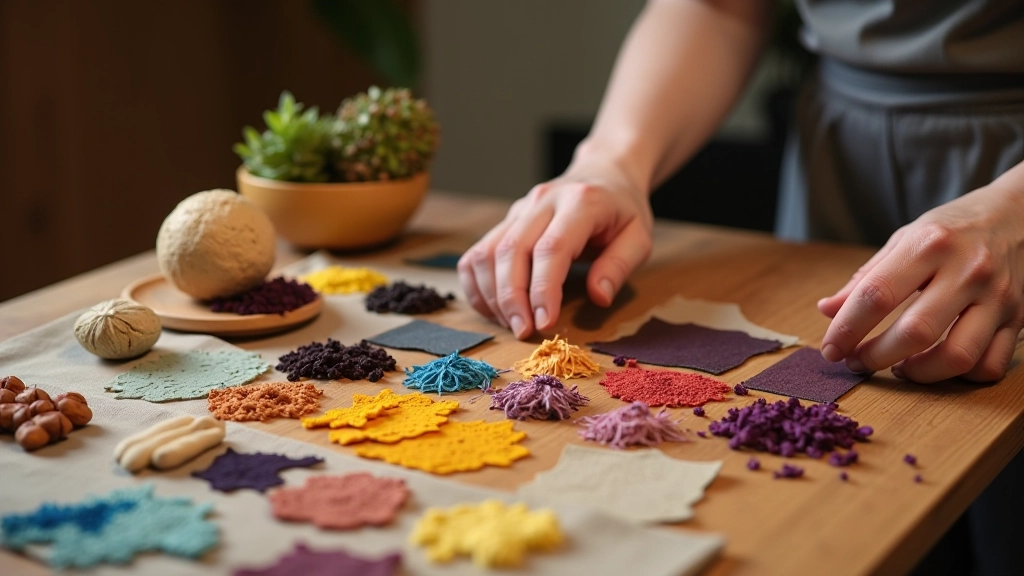
Natural dyeing isn't just a technique — it's a conversation between you and the plant world. Unlike synthetic dyes that flood Portuguese rivers with chemicals, natural dyes work with what the earth already provides. Madder roots give deep reds. Indigo produces blues that deepen with age. Weld creates brilliant yellows that'll catch light for decades.
Portuguese dyers have been perfecting these methods for over 500 years. They've learned that timing matters, temperature matters, and patience matters most. You're not rushing through a process — you're joining a tradition where craft takes the time it needs to take.
The Mordant Foundation
Here's the thing most beginners don't understand: the dye isn't what makes the color stick. The mordant does.
A mordant is a chemical compound that bonds fiber to dye. It's like a bridge between two worlds. Alum is the most common — it's been used in Portugal for centuries and you can still find it in local markets. Tannin from oak galls works alongside alum to deepen colors. Iron creates darker, more complex shades. Each mordant changes the conversation.
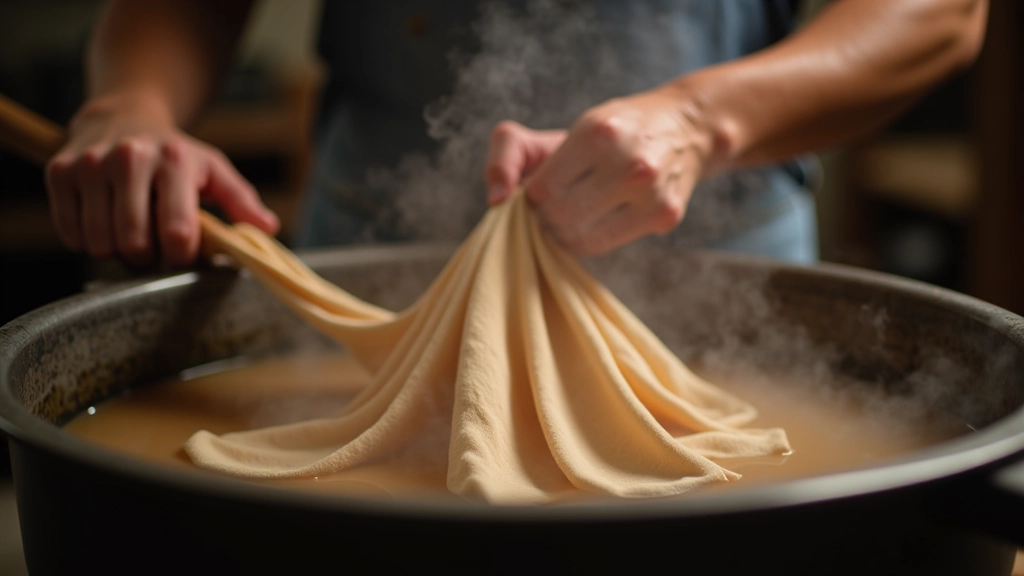
You'll typically soak your fabric in a mordant bath (150-180°F) for an hour, let it cool overnight, then introduce it to the dye. Patience here pays off. We've seen beginners rush this step and get flat, disappointing colors. When you take time with the mordant, the dye rewards you.
"The fabric tells you what it wants. You're not forcing color into it — you're inviting the plant's gift to settle in. That's the difference between chemical dyes and natural ones."
— Maria dos Santos, Portuguese natural dyer
Traditional Portuguese Dye Sources
Portugal's climate and landscape provide everything you need. These aren't exotic imports — they're plants your grandparents knew.
Indigo (Índigo)
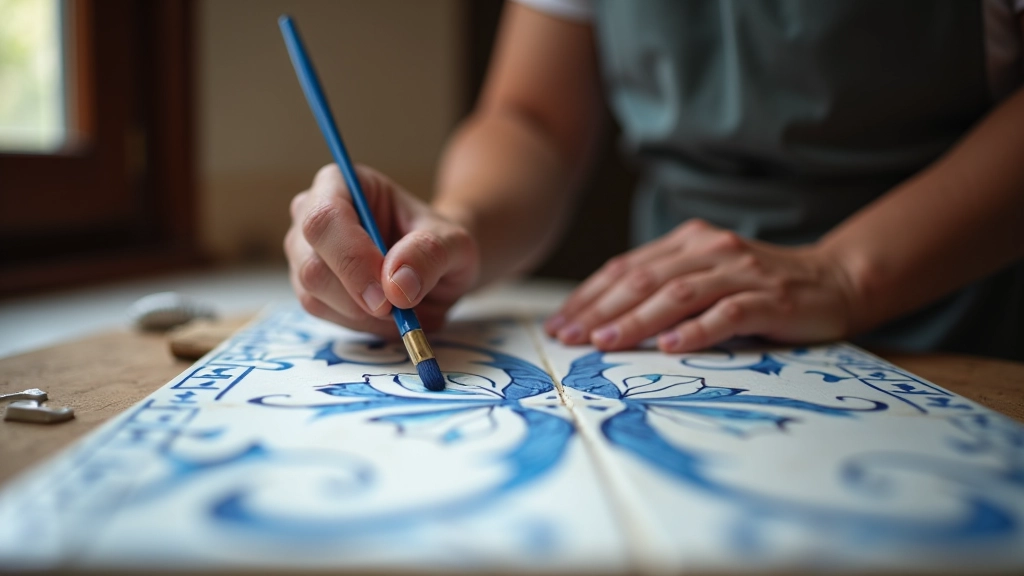
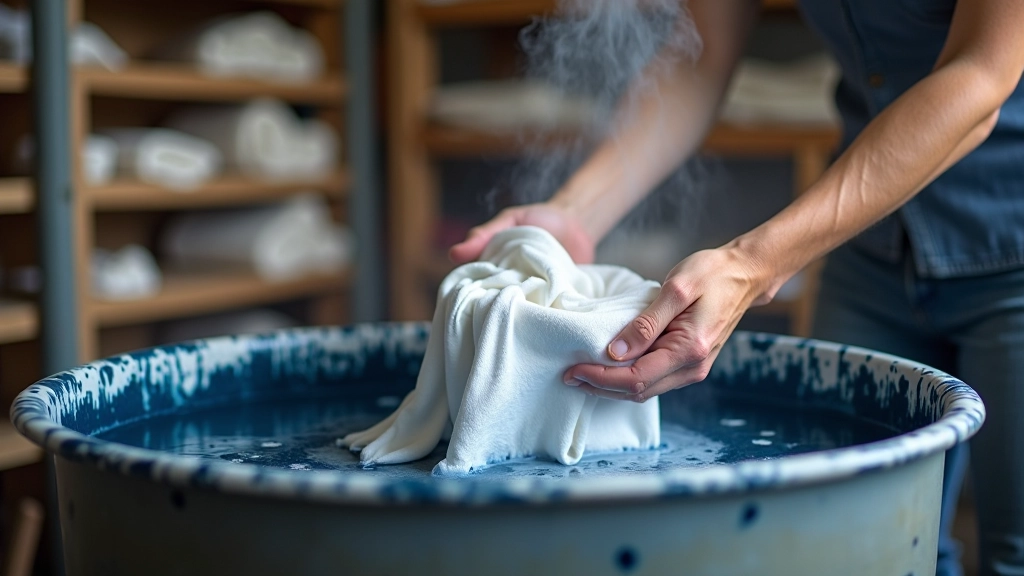
The king of blues. Portuguese indigo vats have run for centuries, producing that particular shade of blue you see in traditional tiles. Fresh indigo vat needs 3-4 hours of careful pH management. The deeper your commitment, the deeper your blue.
Temperature: 140-160°F | Yield: Deep blue to midnight
Madder Root (Ruiva)
Creates reds and oranges that warm in sunlight. Madder's been cultivated in northern Portugal for textile work. The roots need 2-3 years of aging before they're most potent. This isn't a quick dye — it's a relationship built over time.
Temperature: 160-185°F | Yield: Rust-red to brick orange
Weld (Gualda)
The brightest yellow you'll ever see from a plant. Weld grows wild across Portugal and blooms in summer. Portuguese weavers used this exclusively before synthetics arrived. The flowers give the most vibrant shade — harvest at peak bloom.
Temperature: 180-195°F | Yield: Bright yellow to golden
Walnut Husks (Casca de Noz)
Free if you've got walnut trees nearby. The husks produce browns and blacks. You'll collect them in autumn, dry them, and they'll stay potent for years. Walnut creates that rich, earthy brown you see in heritage textiles.
Temperature: 160-180°F | Yield: Brown to deep charcoal
The Four-Step Dyeing Process
You're working with living materials. Each step matters.
Prepare & Clean Fiber
Start with undyed natural fiber — cotton, linen, wool. Wash thoroughly in warm water with mild soap. You're removing mill oils and residues that block dye absorption. Don't rush this. A 30-minute soak makes the difference between vibrant and dull.
Apply Mordant Bath
Dissolve alum (10-15% of fiber weight) in hot water. Submerge your fiber and heat slowly to 185°F. Hold that temperature for 45 minutes, stirring occasionally. Cool overnight. Your fiber is now primed. The mordant opens the fiber's structure, ready to receive the dye.
Prepare Dye Bath
Simmer your plant material in water (indigo needs special handling). Most dyes need 45-60 minutes of simmering to release their color. Strain through cheesecloth. You'll see the water transform into liquid gold, crimson, or sapphire. That's when you know it's working.
Dye & Develop Color
Add your mordanted fiber to the dye bath at 160-180°F. Maintain temperature for 30-45 minutes, stirring gently every few minutes. Uneven heat creates uneven color. Let it cool naturally overnight. You'll wake up to color that's settled into the fiber permanently.
Creating Patterns & Variations
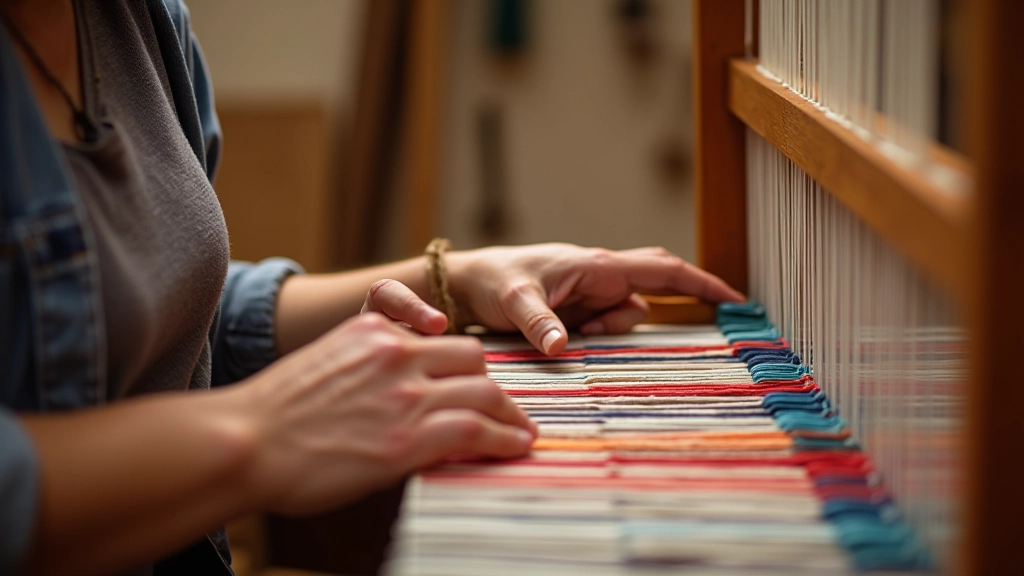
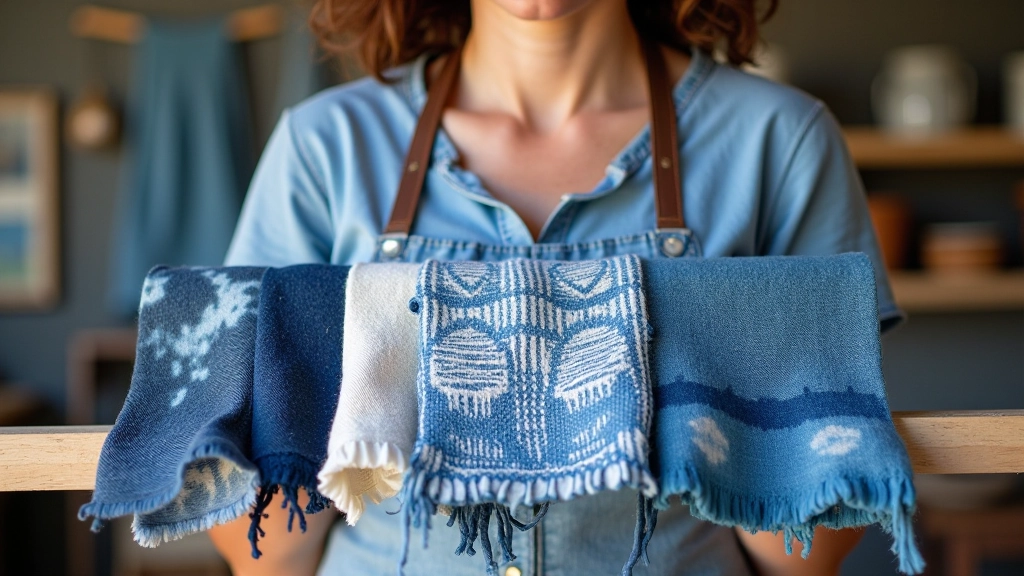
Once you understand basic dyeing, you can create patterns. Portuguese weavers developed several techniques passed down through families. Tie-dye works by binding sections of fabric before dyeing — indigo creates the most striking patterns this way. Batik uses wax to resist dye. Gradation comes from pulling fabric through the dye bath progressively, catching different depths of color.
The most satisfying part? You'll never get exactly the same color twice. The season affects plant potency. Water composition matters. Temperature fluctuations create subtle variations. Instead of fighting this, Portuguese dyers embraced it. Each piece becomes unique — a signature of when it was made and the hands that made it.
Practical Considerations & Sustainability
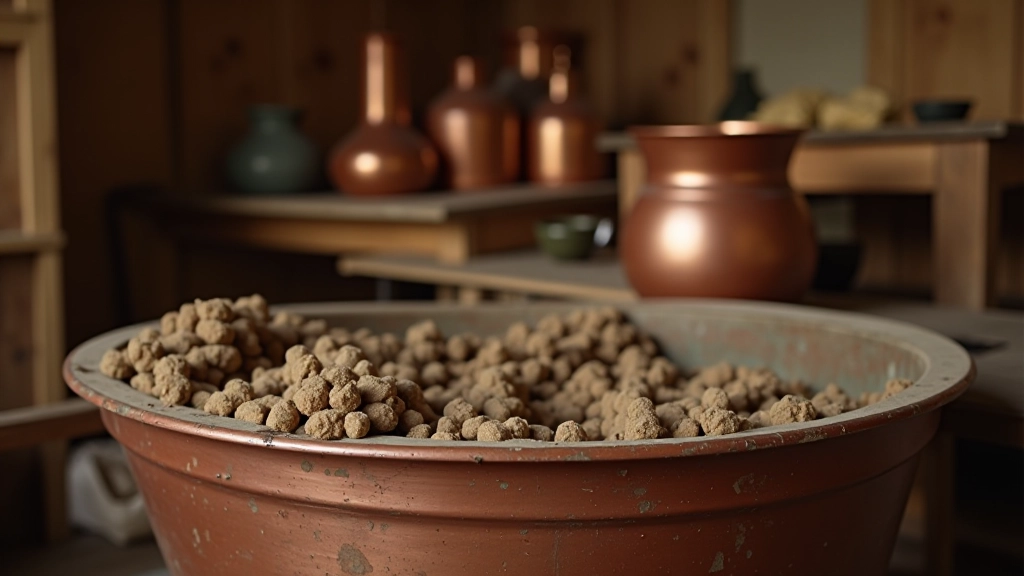
You don't need fancy equipment. Portuguese dyers have used the same copper pots for generations. Stainless steel works fine too — avoid aluminum and iron pots, which interact chemically with dyes. A thermometer is essential. A wooden stirrer. Cheesecloth for straining. You're looking at maybe €30-40 in basic supplies.
What makes natural dyeing truly sustainable? First, you're using materials that grow back. Second, your wastewater doesn't pollute. The dye baths can be composted or used to water gardens. Your spent plant material becomes mulch. Nothing gets wasted. This isn't just dyeing fabric — it's working within a system that restores itself.
Storage matters. Keep dried plant materials in sealed containers, away from light. They'll stay potent for years. Mordants should be stored safely — they're not toxic at normal concentrations, but respect them as chemicals. Your dyed fabrics will fade slightly over decades, but they'll deepen and soften in a way synthetic colors never do. This fading becomes part of the beauty.
Begin Your Natural Dyeing Journey
Natural textile dyeing connects you to centuries of Portuguese craft tradition. You're not just learning a technique — you're joining generations of dyers who've understood that true color comes from patience, respect for plants, and willingness to work at nature's pace. Your first indigo-dyed piece won't be perfect. That's exactly the point. It'll be real.
Ready to Explore Natural Dyeing?
Our intermediate workshops combine hands-on practice with Portuguese dyeing masters. You'll work with authentic materials, real indigo vats, and traditional techniques.
Learn About Our WorkshopsEducational Information
This article provides educational information about traditional natural textile dyeing methods. While we've described techniques used by Portuguese dyers for centuries, individual results depend on many factors including water composition, local climate, fiber type, and specific plant materials. Always test dye batches on small fabric samples first. Handle all dyes and mordants according to safety guidelines. This content is informational — consult experienced practitioners for hands-on guidance in specialized techniques.